
Sustainable Crafting: Eco-Friendly Materials for Your Next Workshop


Why Choose Sustainable Crafting?
As the world becomes more environmentally conscious, many crafters are turning to sustainable materials for their projects. Choosing eco-friendly options not only reduces your carbon footprint but also supports ethical practices in the crafting community. Incorporating sustainable materials into your workshops can inspire others to make eco-friendly choices as well.

Eco-Friendly Materials to Consider
Recycled and Upcycled Materials
One of the best ways to craft sustainably is by using recycled or upcycled materials. Items such as old newspapers, magazines, and fabric scraps can be transformed into beautiful crafts. Upcycling not only reduces waste but also encourages creativity as you find new uses for old items.
Natural Fibers and Organic Fabrics
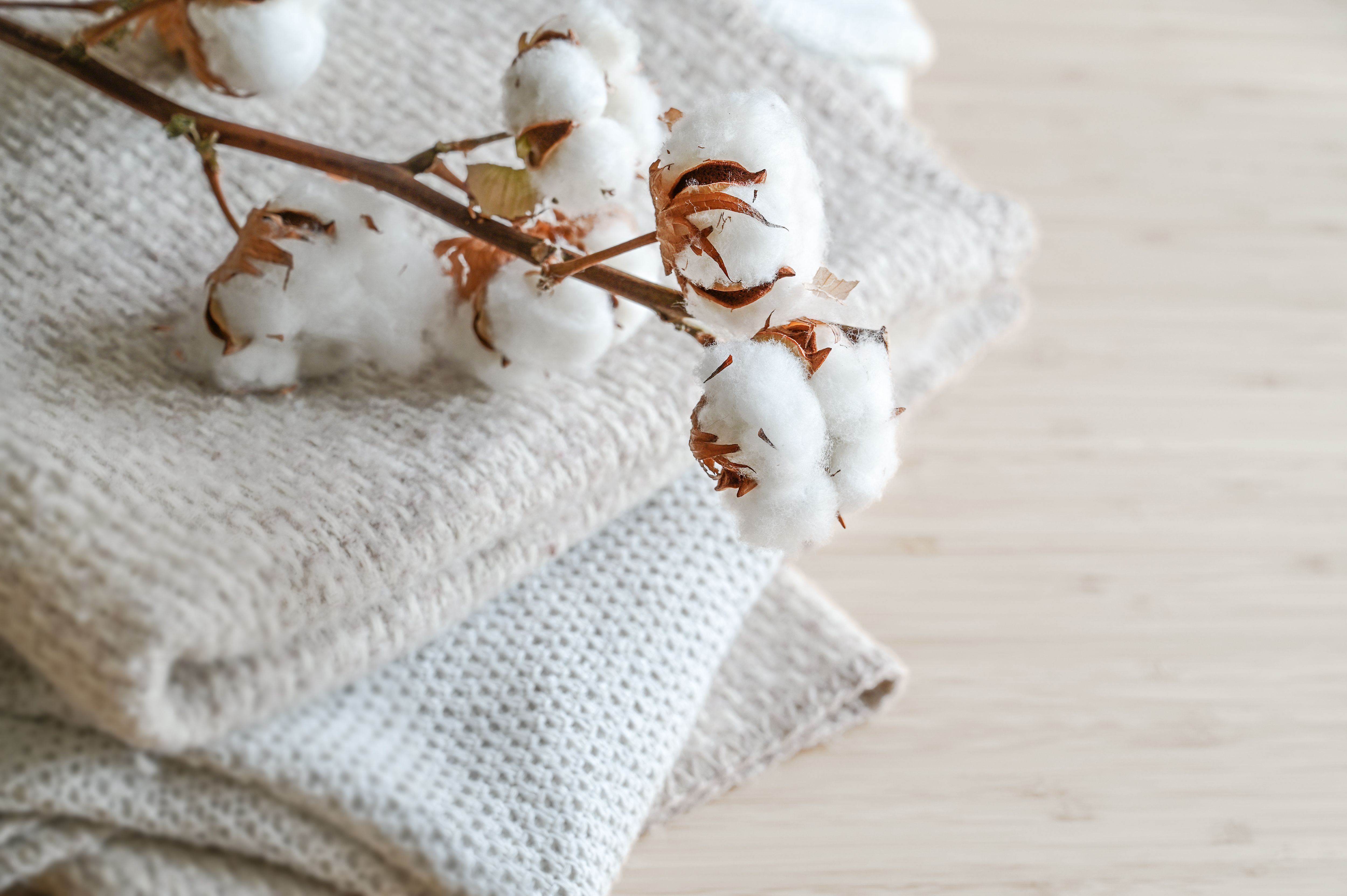
Using natural fibers like cotton, wool, and linen is another excellent choice. Opt for organic variants that are grown without harmful chemicals. These materials are biodegradable and often more durable, providing a sustainable option for your crafting needs.
Eco-Friendly Tools and Accessories
Bamboo and Wooden Tools
Swap out plastic tools for bamboo or wooden alternatives. Bamboo, in particular, is a highly sustainable material due to its rapid growth rate and minimal environmental impact. Wooden tools also offer durability and a classic aesthetic.
Eco-Conscious Adhesives and Paints
When selecting adhesives and paints, look for non-toxic and water-based options. These products have fewer harmful emissions and are safer for both you and the environment. Many brands now offer eco-friendly versions of these crafting essentials.

Tips for Hosting a Sustainable Workshop
Hosting a sustainable crafting workshop involves more than just selecting the right materials. Consider the overall impact of your event. Encourage participants to bring their own reusable containers and tools. Provide guidance on how to minimize waste during the crafting process.
- Encourage carpooling or public transportation.
- Use digital invitations instead of paper.
- Set up recycling stations for any unavoidable waste.
Benefits of Sustainable Crafting
Sustainable crafting offers numerous benefits beyond environmental impact. It can be a cost-effective approach as upcycling materials often reduces the need to buy new supplies. Moreover, it fosters a sense of community among eco-conscious crafters and can lead to collaborations and shared ideas.

Conclusion
By integrating eco-friendly materials and practices into your crafting workshops, you can make a positive impact on the environment and inspire others to follow suit. Whether you’re a seasoned crafter or just starting out, making conscious choices in your crafting journey contributes to a more sustainable future.