
Escape With Colors: Bringing Art to Life in Vibrant and Engaging Ways


Unleashing Creativity Through Color
Color is a powerful tool in the world of art. It has the ability to evoke emotions, tell stories, and transform ordinary spaces into something extraordinary. By embracing vibrant hues, artists can bring their creations to life in ways that captivate and inspire audiences.
Whether it's a bold splash of red or the soothing tones of blue, each color carries its own unique energy. This blog post explores how artists can harness this potential to create engaging and immersive experiences.
The Psychology of Color
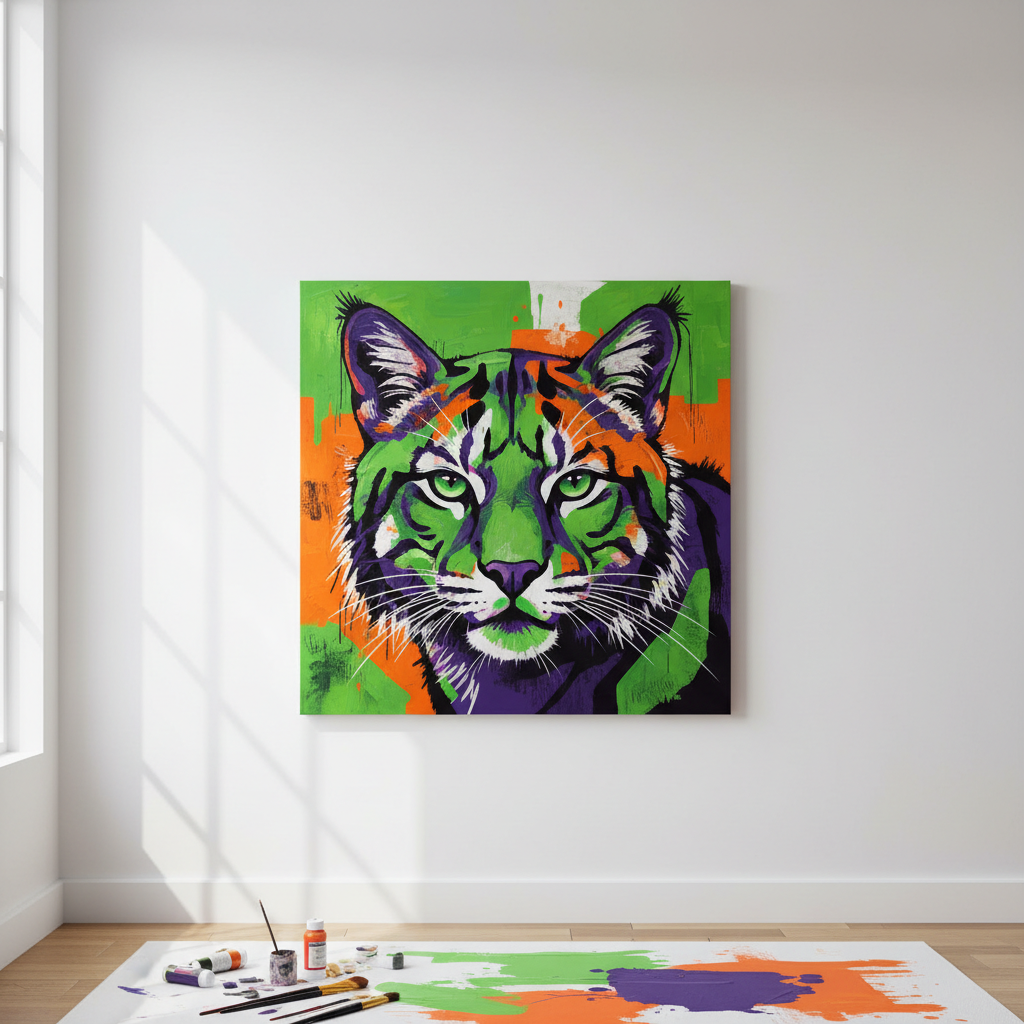
Understanding the psychology behind colors is essential for any artist looking to make an impact. Colors can influence mood, perception, and even behavior. For instance, warm colors like red and orange can evoke feelings of warmth and excitement, while cool colors like blue and green often promote calm and relaxation.
By strategically using different colors, artists can guide the viewer's emotional journey through their work. This intentional use of color can make the difference between a piece that merely looks good and one that truly resonates.
Techniques to Bring Art to Life
There are several techniques artists can use to make their work more vibrant and engaging. One popular method is color layering, where multiple shades are applied to create depth and dimension. This can add a dynamic quality to the artwork, making it more visually interesting.
Another technique is contrast, which involves using opposing colors to highlight specific elements and draw attention. This approach can create a striking visual impact and make the artwork stand out.

Incorporating Color in Different Mediums
From traditional painting to digital art, color plays a crucial role across various mediums. In painting, artists can experiment with different pigments and textures to achieve the desired effect. In digital art, the possibilities are endless, with countless color palettes and effects available at the click of a button.
Sculptors, too, can explore color through materials like colored clay or painted surfaces, adding another layer of expression to their three-dimensional works.
The Role of Color in Storytelling
In addition to its aesthetic appeal, color can also serve as a storytelling device. By using symbolic colors, artists can convey deeper meanings and themes within their work. For example, the use of dark, muted colors might suggest mystery or melancholy, while bright, lively colors could represent joy and celebration.

By thoughtfully integrating color into their narratives, artists can enhance the storytelling aspect of their work, creating pieces that are not only visually stunning but also rich in meaning.
Engaging the Audience
Art is meant to be experienced, and color is a key component in engaging the audience. By creating vibrant, colorful pieces, artists can capture the viewer's attention and invite them to explore the work more deeply.
Interactive art installations are a great example of this, where colors can change based on the viewer's movements or interactions, creating a dynamic and participatory experience.
In conclusion, color is an indispensable element in the world of art. By understanding its power and potential, artists can create works that are not only visually appealing but also emotionally resonant and thought-provoking.