
Creating Interactive Virtual Art Experiences from Home: A Guide to Unleashing Your Creativity


Introduction to Virtual Art Experiences
In today's digital age, art is no longer confined to galleries and studios. With technological advancements, creating interactive virtual art experiences from the comfort of your home is more accessible than ever. Whether you're an aspiring artist or a seasoned creator, these virtual tools offer endless possibilities to explore and express your creativity.
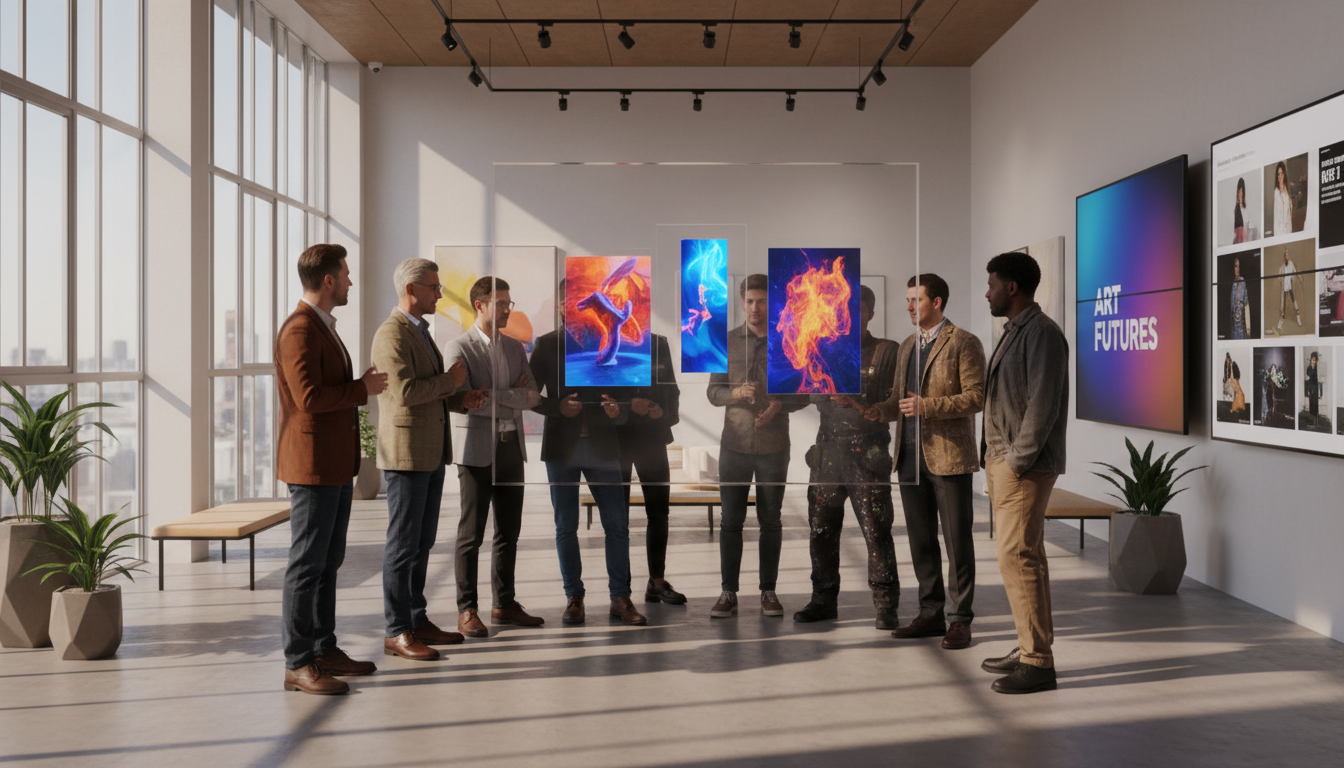
Choosing the Right Tools
The first step in creating interactive virtual art is selecting the right tools. There are numerous platforms and software available that cater to different artistic needs. Popular options include digital painting apps like Procreate and Adobe Fresco, as well as 3D modeling software such as Blender and Tinkercad. Consider your art style and project requirements when selecting the tools that best suit you.
Digital Painting and Drawing
For those interested in digital painting, applications like Procreate offer a wide range of brushes and effects that mimic traditional media. These tools are perfect for artists looking to experiment with colors and textures in a digital format.
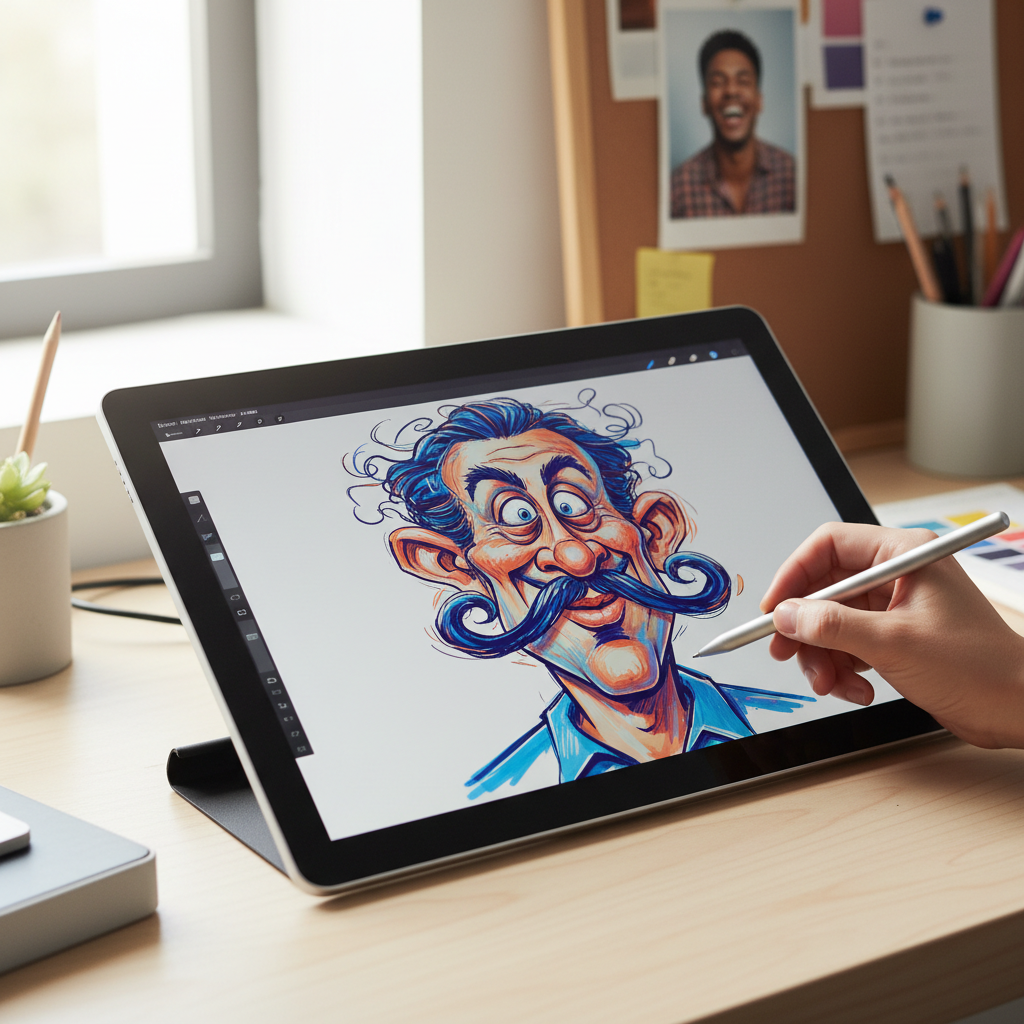
3D Modeling and Animation
Artists interested in 3D modeling can explore software like Blender, which provides robust features for creating intricate models and animations. These tools allow you to bring your ideas to life in a dynamic, interactive manner.
Creating Interactive Experiences
Once you have your tools ready, the next step is to design interactive experiences. This involves integrating elements that engage your audience, such as clickable features, animations, and sound effects. Consider using platforms like Unity or Unreal Engine to build immersive virtual environments.
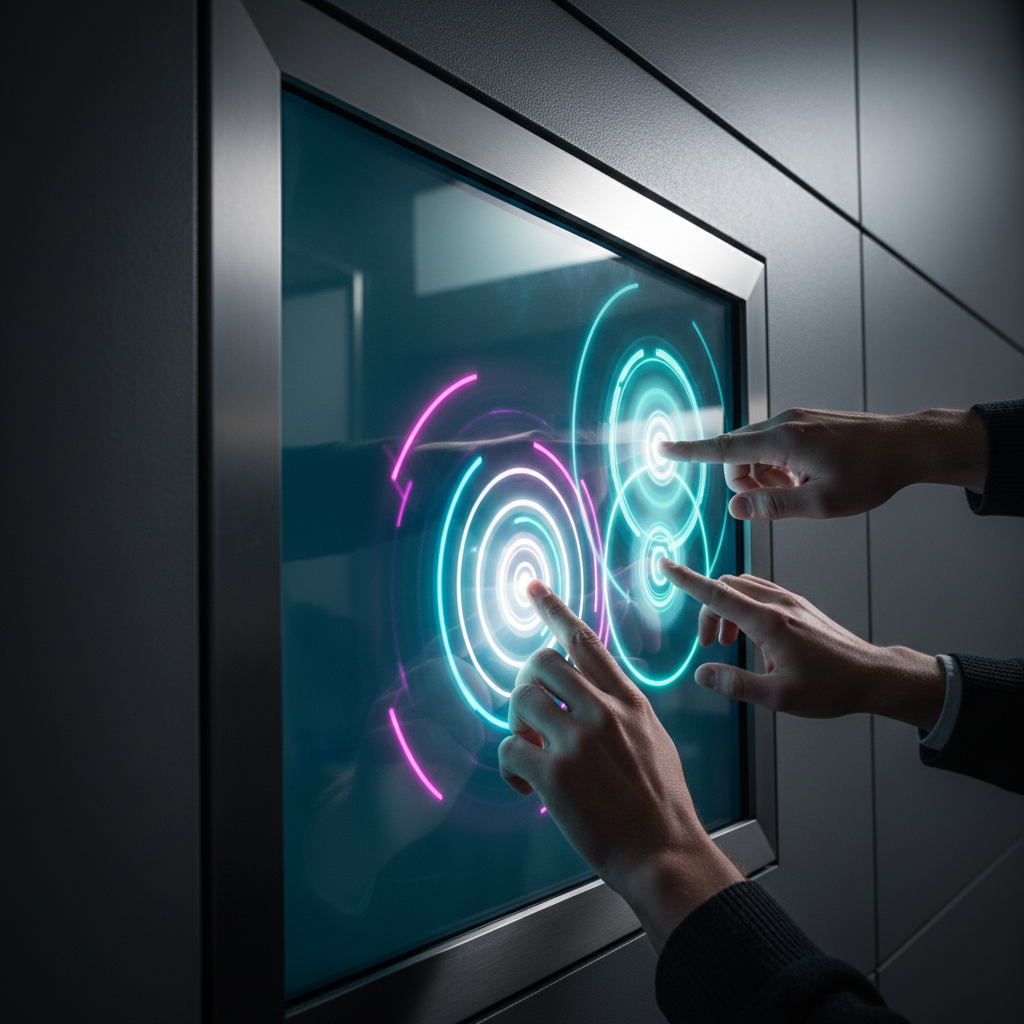
Engagement Through Interaction
Interactive elements can significantly enhance the viewer's experience. By allowing users to interact with your artwork, you create a more engaging and memorable journey. This can be achieved through simple actions like zooming, rotating, or even navigating through a 3D space.
Sharing Your Art with the World
Once your virtual art experience is complete, it's time to share it with the world. Social media platforms like Instagram and Facebook are excellent for showcasing your work. Additionally, consider using dedicated art platforms like ArtStation or Behance to reach a wider audience.

Building an Online Presence
Creating an online portfolio is crucial for artists looking to establish a presence in the digital art community. Regularly update your portfolio with your latest projects and interact with other artists to build connections and gain inspiration.
Conclusion
Creating interactive virtual art experiences from home opens up a world of possibilities for artists. By choosing the right tools, designing engaging experiences, and sharing your work online, you can unleash your creativity and reach audiences worldwide. Embrace the digital revolution and start your journey into the world of virtual art today.